
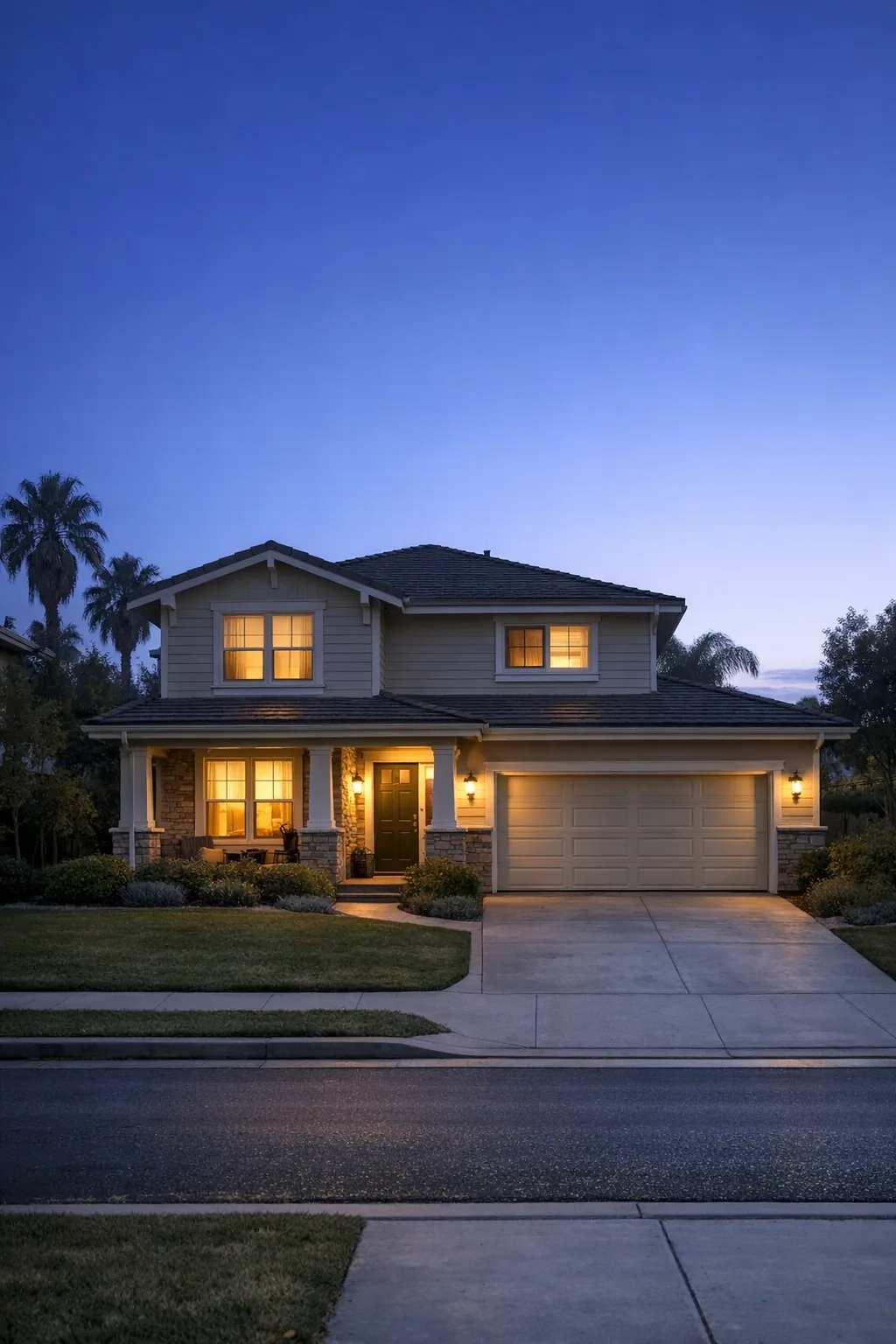



本页的房价、利率、租金、费用都是示意:100 万房价、30 万首付、7.5% 固定 30 年、月租 $4,000、 年升值 3.5%、卖房成本 6%。房贷数字我们按这组假设重算过,和幻灯片一致。保险保额来自计划书演示,非保证, 实际保额以核保等级和正式计划书为准。
The prices, rates, rents and costs here are illustrations: a $1 million home, $300,000 down, 7.5% fixed for 30 years, $4,000 rent, 3.5% annual appreciation, a 6% cost to sell. We recomputed the mortgage figures from these assumptions and they match the slides. Policy face amounts come from illustrations and are not guaranteed; the actual face depends on underwriting class and the formal illustration.
一、买保险,买的是什么1. What you're buying with life insurance
买特斯拉的人,看中的加分项很多:电比油便宜、加速快、环保、大屏和远程升级。但让很多人下决心的,是自动驾驶, 这是它的核心功能。人寿保险也一样:生前福利、现金价值、税务优势、强制储蓄都是附加价值, 真正「别的理财都没有」的,是保额,也就是杠杆:用相对小的保费,换一份大得多的保障。
Tesla buyers like plenty of extras: cheaper energy, acceleration, zero emissions, the screen and OTA updates. What makes many decide is self-driving, the core function. Life insurance is the same: living benefits, cash value, tax treatment and forced savings are extras. What no other financial product has is the death benefit, its leverage: a relatively small premium buying much larger protection.
一个解释杠杆的极端例子:40 岁女性每年 $20,000,保额 $200 万。保单生效后不幸身故,家人拿到的是 $200 万,不是 $20,000,一百倍。 股票和房子都做不到这件事。杠杆随年龄下降:同样每年 $20,000,55 岁只能买到约 $90 万。
An extreme example to explain leverage: a 40-year-old woman pays $20,000 a year for a $2 million face. If she dies after the policy is in force, her family receives $2 million, not $20,000: a hundredfold. No stock or house does that. Leverage declines with age: the same $20,000 a year buys only about $900,000 at 55.
房子也有杠杆,但性质不同。房子的杠杆是借来的:$30 万首付撬动 $100 万,另外 $70 万是 30 年、7.5% 的债; 房价跌 10%,首付就少了三分之一;人不在了,债还在。保险的杠杆是买来的:不欠任何人钱,代价是要按计划交费、早期退保会亏。 房子的杠杆越大,越需要保险的杠杆兜底。
A house has leverage too, but of a different kind. Its leverage is borrowed: $300,000 down controls $1 million, and the other $700,000 is a 30-year debt at 7.5%. A 10% price drop takes a third of the down payment, and the debt outlives you. Insurance leverage is bought: you owe no one, at the cost of paying on schedule and losing money if you surrender early. The more leverage on property, the more insurance leverage needs to sit underneath it.
二、一套 100 万的房子,30 年的账2. Thirty years of a $1 million home
| 项目Item | 金额Amount |
|---|---|
| 房价 / 首付 / 贷款Price / down / loan | $1,000,000 / $300,000 / $700,000 |
| 每月本金 + 利息(7.5%,30 年)Monthly P&I (7.5%, 30 years) | $4,895 |
| 30 年总利息Total interest | $1,062,021 |
| 含首付总支出Total outlay incl. down payment | $2,062,021 |
| 第 1 年:还款 / 利息 / 剩余本金Year 1: paid / interest / balance | $58,734 / $52,281 (89%) / $693,547 |
| 前 5 年:还款 / 利息 / 剩余本金Years 1–5: paid / interest / balance | $293,670 / $255,992 / $662,322 |
住进 100 万的房子,30 年要付 200 万出头。前几年的月供大多是利息:还了 5 年、近 30 万,本金只少了 3.8 万。 所以前几年就卖,手上的权益主要靠房价涨。
A $1 million home costs a little over $2 million across 30 years. Early payments are mostly interest: five years and nearly $300,000 in, the balance is down only $38,000. Sell in the early years and your equity depends mainly on appreciation.
三、租出去,能不能养房3. Can the rent carry it?
每月持有成本:房贷 $4,895 + 房产税 $1,000 + 保险 $200 + 维修预留 $350 = $6,445。 在洛杉矶,100 万的房子月租 $4,000 已经偏高,每月仍倒贴 $2,445,一年将近 3 万。 这还没算空置(每年空一个月 ≈ 每月 $333)、物业管理(租金 8–10%)、HOA、大修和买入时 2–3% 的交易成本; 只加空置和物业管理,倒贴就到约 $3,100。公道地说,租金每年上涨会让倒贴逐渐缩小。
Monthly holding cost: $4,895 mortgage + $1,000 property tax + $200 insurance + $350 maintenance = $6,445. In Los Angeles, $4,000 rent on a $1 million house is already high, leaving a $2,445 monthly shortfall, nearly $30,000 a year. That's before vacancy (one month a year ≈ $333 a month), management (8–10% of rent), HOA, big repairs and 2–3% closing costs on purchase. Vacancy and management alone take the shortfall to about $3,100. To be fair, annual rent increases narrow the gap over time.
根本原因是负杠杆。资本化率 =(年租金 $48,000 − 税险修 $18,600)÷ 房价 $100 万 ≈ 2.9%, 而借来的钱要付 7.5%。资产产出低于借款成本,借得越多,每月现金流亏得越多。所以在加州买投资房,赚的是升值; 想要现金流,要去达拉斯这类中部城市,房价低、租金比高,但升值通常慢、地税更高。
The root cause is negative leverage. Cap rate = ($48,000 rent − $18,600 tax, insurance and upkeep) ÷ $1 million ≈ 2.9%, while the borrowed money costs 7.5%. When the asset yields less than the debt costs, more borrowing means bigger monthly losses. So a California rental earns appreciation; for cash flow you go to central cities like Dallas, with lower prices and higher rent ratios but usually slower appreciation and higher property tax.
四、持有几年,卖掉才回本4. How long before a sale breaks even
卖出净收益 = 卖价 ×(1 − 6%)− 剩余贷款 − 首付 − 累计倒贴。按年升值 3.5%、租金不涨、租客不走:
Net proceeds = sale price × (1 − 6%) − remaining loan − down payment − cumulative shortfall. At 3.5% appreciation, flat rent and no vacancy:
| 持有Held | 卖出净收益Net on sale |
|---|---|
| 约 4.6 年≈ 4.6 years | 回本Break-even |
| 5 年5 years | +$7,403 |
| 10 年10 years | +$124,998 |
| 30 年(贷款还清)30 years (loan repaid) | +$1,458,186 |
长期持有确实可能赚钱,但这条曲线没算四件事:税(投资房卖出要交资本利得税,出租期间扣过的折旧要回收,最高按 25%; 自住房住满 2 年可按第 121 条免税 $25 万 / 夫妻 $50 万);30 年累计倒贴 $880,200 的机会成本; 流动性(卖房要几个月加 6%,HELOC 看银行);以及前十年赚得很慢这一事实。
Holding long enough can make money, but the curve omits four things: tax (capital gains on a rental sale, plus recapture of depreciation taken during the rental years at up to 25%; a primary home lived in two years excludes $250,000, or $500,000 joint, under Section 121); the opportunity cost of $880,200 of top-ups over 30 years; liquidity (months and 6% to sell, a HELOC at the bank's discretion); and how slowly the first decade pays.
五、资产放在不同的口袋5. Different pockets
三套 100 万的房子不是 300 万资产,而是 90 万首付加上 210 万贷款。收入是树根,资产是树叶; 一家之主出了意外,租金盖不住费用,租客一走,三套房的月供就落到家人身上,可能只能在最差的时机低价卖房。 人寿保险保护收入,也保护资产。
Three $1 million houses aren't $3 million of assets; they're $900,000 of down payments and $2.1 million of loans. Income is the root and assets are the leaves. If the breadwinner dies, rent doesn't cover the costs, and when a tenant leaves three mortgage payments fall on the family, who may have to sell at the worst time. Life insurance protects the income, and the assets too.
保额至少对齐负债。完整的估算用 DIME:Debt 其他债务 + Income 年收入 × 需要的年数 + Mortgage 全部房贷 + Education 子女教育,再减去已有保单和可动用资产。三套房的例子,只算 M 就要 $210 万。保额最终要过财务核保。
Coverage should at least match the debt. The fuller estimate is DIME: other Debt + Income × years needed + every Mortgage + Education, less existing coverage and usable assets. In the three-house example, M alone is $2.1 million. The face amount still has to pass financial underwriting.
已经有自住房,下一个 30 万:再买投资房,意味着管理成本高、流动性低、资产更集中;放进人寿保险,是即时保障与杠杆、生前福利、 税务优势下的积累与取用。而且 30 万不用一次放进去:每年 $2 万 × 15 年,第一年手上还有 $28 万现金。
With a home already owned, the next $300,000 can go into another rental, with more management, less liquidity and more concentration, or into life insurance, with immediate protection and leverage, living benefits and tax-advantaged accumulation and access. And it needn't go in at once: $20,000 a year for 15 years leaves $280,000 in cash after year one.
| 女性投保年龄(每年 $2 万 × 15 年)Female issue age ($20K × 15 years) | 保额(演示)Face (illustrated) |
|---|---|
| 40 | $2,000,000 |
| 45 | $1,700,000 |
| 50 | $1,250,000 |
| 55 | $900,000 |
六、六个维度对照6. Six dimensions
| 第二套投资房Another rental | 人寿保险Life insurance | |
|---|---|---|
| 投入方式How it goes in | 首付一次付清,之后每月倒贴Full down payment, then monthly top-ups | 按年分期,可调整Yearly, adjustable |
| 杠杆来源Leverage | 银行贷款,要还Bank loan, repayable | 保额,不欠钱Death benefit, no debt |
| 管理Management | 房客、维修、空置Tenants, repairs, vacancy | 每年看对账单Annual statement review |
| 急用钱Urgent cash | 卖房或 HELOCSale or HELOC | 保单贷款(早期现金值低)Policy loan (low cash value early) |
| 生病时If seriously ill | 月供照付Payments still due | 可提前动用部分保额Part of the face available early |
| 留给家人For the family | 房子 + 剩余贷款House + its loan | 保额,一般免所得税Death benefit, generally income-tax-free |
股票、房地产是周期型产品,可以等下一个周期;人寿保险是时间敏感型,保费跟年龄和健康走, 今天永远最便宜。生病的几率又远大于身故:医疗保险付医药费,房贷、车贷、地税、生活费它不管;生前福利在符合条件时可以提前动用部分保额 (详见生前福利)。
Stocks and property are cyclical and can wait for the next cycle; life insurance is time-sensitive, priced on age and health, so today is always cheapest. Illness is also far more likely than death: health insurance pays the medical bills, not the mortgage, car loan, property tax or living costs, while living benefits can advance part of the face when you qualify (see Living Benefits).
七、正确的顺序7. The right order
- 应急金:3–6 个月生活费。
- 一家之主的保障:按 DIME 对齐负债和收入;预算紧先从定期开始(像来美国先租房)。
- 自住房:买房的同时把保额加上去。
- 分散配置:投资房、退休账户、永久型保险,不放同一个篮子。
- Emergency fund: 3–6 months of expenses.
- Protect the breadwinner: match debt and income with DIME; on a tight budget start with term, as you might rent on arrival.
- The family home: raise coverage when you take on the mortgage.
- Diversify: rentals, retirement accounts, permanent coverage; not one basket.
三种寿险也可以用房子来比:定期像租房,便宜、保额高、到期就没了;终身寿像精装交付房, 保证多但贵、可调空间小;IUL 像定制住宅,按需要加条款、调设计。详见终身寿 vs IUL。
The three kinds of life insurance compare to housing too: term is renting, cheap with a high benefit, gone at expiry; whole life is the finished home, many guarantees but expensive and hard to adjust; IUL is the custom home, with riders and design added as needed. See Whole Life vs IUL.
八、客户常问的四个问题8. Four questions clients ask
- 「房子会涨,保险不会」:两者做的事不同。房子赚升值,保险守住房子和收入。
- 「公司有团体寿险」:常见只有年薪 1–2 倍,跟着工作走,换工作就没了。
- 「等我买完房再说」:买房当天负债最高,最需要保障;年龄和健康不等人。
- 「租金不是能盖住吗?」:陪他算 cap rate、每月现金流和回本年数,结论让他自己下。
- "Houses go up; insurance doesn't." They do different jobs: the house earns appreciation, the policy protects the house and the income.
- "I have group life at work." Often 1–2× salary, tied to the job and gone when you leave.
- "After I buy the house." Debt peaks the day you buy; age and health won't wait.
- "Won't the rent cover it?" Work through cap rate, monthly cash flow and break-even with them, and let them reach the conclusion.
它不适合谁Who it doesn't suit
- 还没有应急金的家庭。
- 收入不稳定、没把握按计划交满 15 年的人。
- 这笔钱 5–10 年内要用(换房、孩子快上大学)。
- 保额已经足够、只想找「高回报」产品的人:保险的核心是保障,不是短期理财。
- Families without an emergency fund.
- People with unstable income who can't be confident of 15 years of premiums.
- Money needed within 5–10 years (a move, a child about to start college).
- Clients already adequately covered who just want "a high return": insurance is protection first, not a short-term investment.
需要注意的几件事Things to watch
- 演示利率不是保证。指数部分最差记 0%,费用照扣,记 0% 的年份现金价值也可能下降。
- 前几年现金价值低,早期退保有退保费用,会亏钱。
- 保单贷款要付利息,未还贷款从身故金中扣;贷款、部分领取的税务处理视保单设计(含是否成为 MEC)与税法而定。
- 保额与费率等级以核保结果为准;投保头两年是可抗辩期,如实告知是前提。
- 税只讲原则,具体税额请客户找持照会计师。
- Illustrated rates aren't guaranteed. The index credit floors at 0% but charges still apply, so cash value can fall in a 0% year.
- Cash value is low in the early years; early surrender carries charges and a loss.
- Policy loans accrue interest and unpaid loans reduce the death benefit; the tax treatment of loans and withdrawals depends on the design (including MEC status) and tax law.
- Face amount and rating depend on underwriting; the first two years are contestable, and full disclosure is required.
- Explain tax in principle only; refer specific figures to a licensed CPA.
内部培训资料,仅供签约经纪人使用,不可转发给客户。 房价、利率、租金、税费、升值率均为示意假设,不是事实,也不是对任何房产或市场的预测; 保单数字取自计划书演示值,非保证,一律以承保公司当期资料与正式计划书为准; 理赔个案不代表其他客户会得到同样结果。本页不构成投资、税务或法律建议, 客户的具体税务问题请转给持照会计师或税务师。
Internal training material for contracted agents; not for forwarding to clients. Prices, rates, rents, taxes and appreciation are illustrative assumptions, not facts or forecasts for any property or market. Policy figures are illustration values and not guaranteed; the carrier's current material and the formal illustration govern. Individual claims don't predict another client's outcome. Nothing here is investment, tax or legal advice; refer specific tax questions to a licensed CPA or enrolled agent.